
When you’re trying to sell a home, nothing deflates momentum quite like a last-minute plumbing surprise. These issues don’t just show up on inspection reports — they can trigger price renegotiations, delay closings, or even kill the deal entirely. What makes it worse? Many of the most problematic plumbing failures are invisible until it’s too late. But with a little foresight, sellers can head off these surprises and keep the transaction moving. Here’s how.
Leaks that never surface until they do
Some of the most expensive plumbing issues aren’t visible — they’re detectable. Home inspectors often go beyond visual clues and use tools like detect hidden leaks to uncover slow moisture build-up behind walls or under slabs. These leaks might not have caused visible damage yet, but they can signal long-term problems. If you’re about to list, hire a plumber who can pressure test your lines or use thermal imaging. It’s far better to fix a pinhole now than deal with an escrow delay later.
Outdated pipes carry more than water
Homes built before the 1960s often contain galvanized steel pipes. At first glance, they might seem intact. But inside, they’re often constricted by rust and mineral buildup. This leads to poor water pressure, staining, and unpredictable leaks. An inspector doesn’t need a microscope to flag these — just a slow faucet and discolored water. If your home has metal pipes and is over 50 years old, you may want to proactively galvanized pipe corrosion warning signs before you’re hit with a red-ink repair estimate from a buyer’s plumber.
The failure that flags you for non-compliance
Not every plumbing issue floods a floor or drips. Some are invisible — but just as damning. If your home lacks a backflow preventer or has one that’s outdated or failing, it may get flagged as a code violation during inspection. Backflow devices stop contaminated water from reversing into your home’s clean water supply — a health issue that buyers, inspectors, and city officials take seriously. Fortunately, replacing one is straightforward, and new models are widely available and easy to install. Don’t wait for an inspector to call it out. Get ahead of it, install or upgrade if needed, and check that the permit’s been closed.
Roots, rust, and unknowns in the main sewer line
A working toilet doesn’t mean your sewer line is in the clear. One of the most commonly delayed closings happens because of underground line failures: clogs, collapses, or root invasions. These don’t announce themselves until a buyer’s inspector inserts a camera down the cleanout and discovers blockage or deterioration. Sellers can stay ahead of this by scheduling a scoped inspection before listing. That quick, preventative look often camera scope reveals underground sewer line damage that would otherwise emerge at the worst moment — right before close.
Fixtures that function… until they’re tested
You might think your toilets and faucets are fine. After all, you’ve been using them. But inspectors test everything with fresh eyes and fresh pressure, and that’s when problems emerge. Dripping shutoff valves, loose handles, or old wax rings can suddenly become liabilities. A toilet that cycles endlessly after flushing isn’t just annoying — toilets that never stop running can signal inefficient plumbing or worn-out internals. Even if it doesn’t leak, a $20 fix now can prevent a buyer from asking for a $200 credit later. Tighten what’s loose. Replace what’s questionable. Look at your fixtures like a first-time visitor.
When water pressure turns into a lawsuit
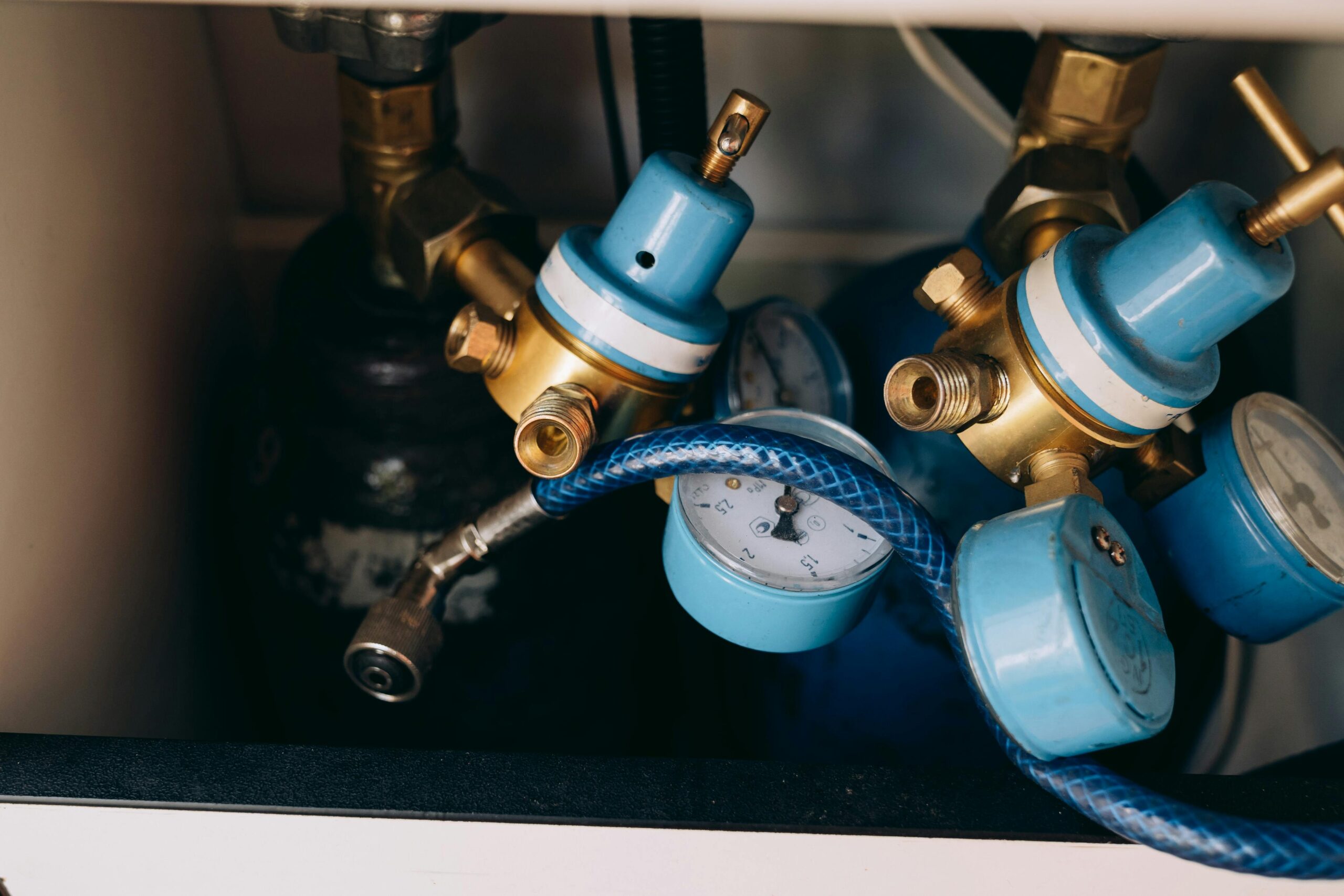
Too much water pressure isn’t just uncomfortable; it can blow out appliances, split hoses, or damage fixtures. And too little? It suggests supply problems or restrictions in the system. Inspectors check for both. The culprit is often a faulty or aging pressure regulator, usually located near the main water line. Many homeowners don’t realize how much havoc a bad regulator can cause until they’re staring down an inspection report. Upgrading this component isn’t costly — and knowing how pressure regulator failure affects closing timelines can help you get ahead of it. Regulators should be tested, and if needed, replaced before photos go up and offers come in.
Plumbing doesn’t often top the list of seller priorities — but maybe it should. Small problems signal bigger concerns, even if those concerns are unfounded. When buyers see leaks, rust, or failed fixtures, they assume the rest of the home has been neglected too. That doubt costs you. Delay. Lower offers. More negotiation. But when you walk into a sale with clean lines, tight seals, and a record of care? It’s not just the plumbing that flows. The deal does, too.
Discover your dream home with Real Estate by Arrow & Co., where expert negotiation and a concierge-style approach make buying and selling in Idaho a seamless experience.